
What We Do
We are a full service video/audio analysis and editing company that enables legal professionals to turn video evidence into case-winning exhibits.
We create the video materials you need, whether it's turning hours of surveillance footage into shareable clips, creating complex video diagrams, or anything in between.
SYNCHRONIZING FOOTAGE
When a case involves multiple video and audio sources, it is essential that all sources are synced properly. While many cameras include timestamps, the timestamps cannot be relied on to match. Many video sources (phones, handheld cameras), don’t include timestamps at all. And because different cameras shoot at different frame rates, the speed of each source has to be matched as well.

SPLITSCREEN EXHIBITS
Once every video/audio source is synchronized, video exhibits can be made with the desired videos played side-by-side, or picture in picture. Video angles can be labelled with names, locations, dates, or other information such as zoom/crop amount.


SLOW MOTION EXHIBITS
Key moments can be played at slower speed for clarity. Specific frames can be labelled.
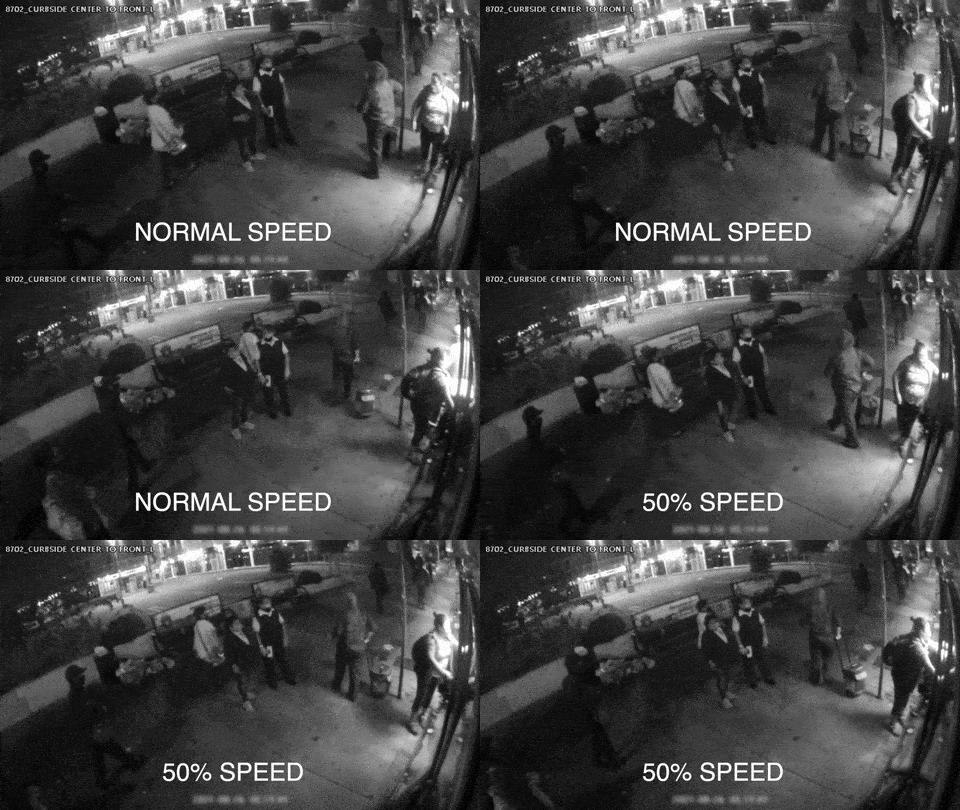
HIGHLIGHTS, LABELS, BLUR
Draw attention to specific parts of a video, or add blur to faces, license plates, etc.
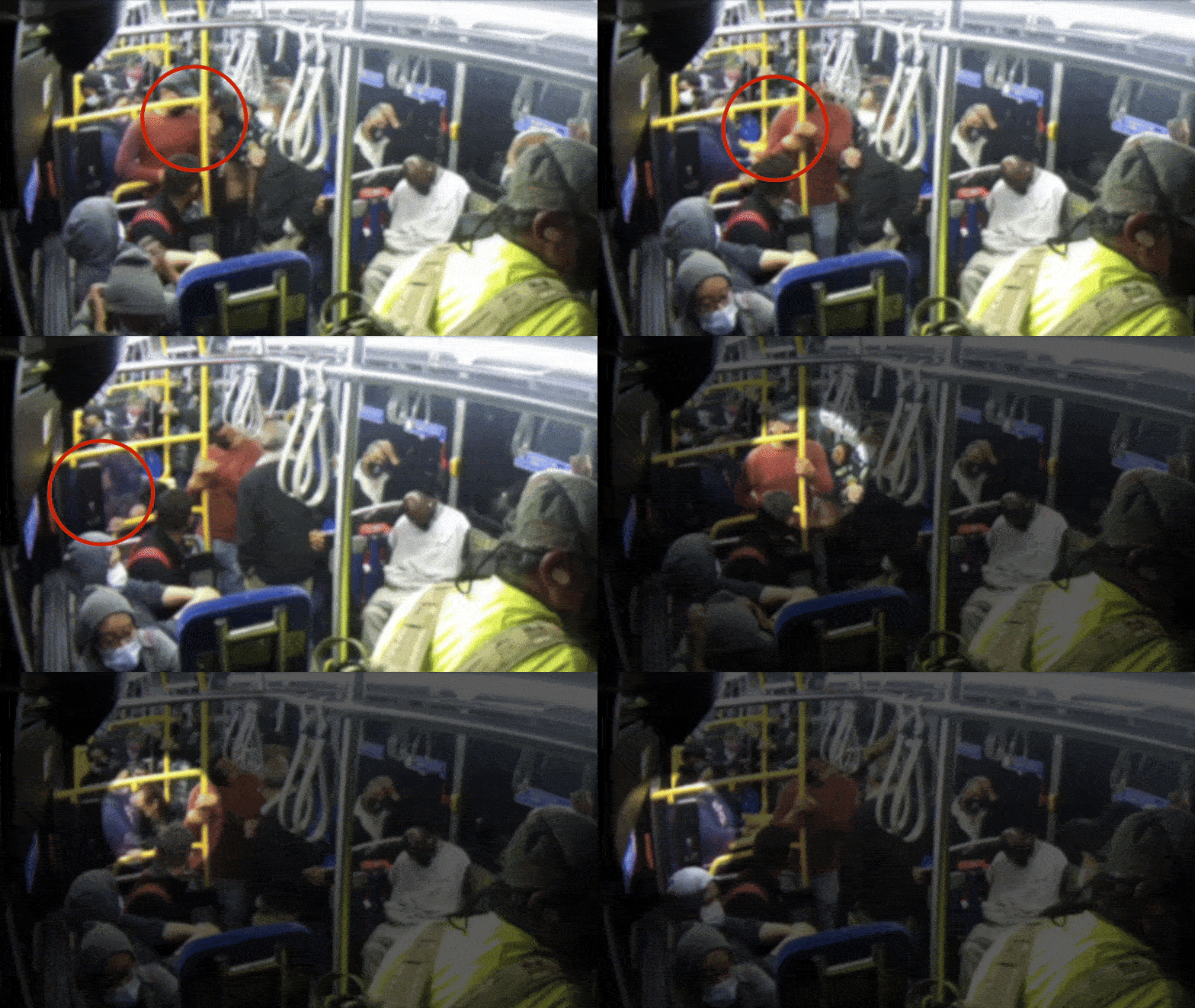
TRACKING MOVEMENT
Help viewers keep track of who is who during complicated or chaotic videos.
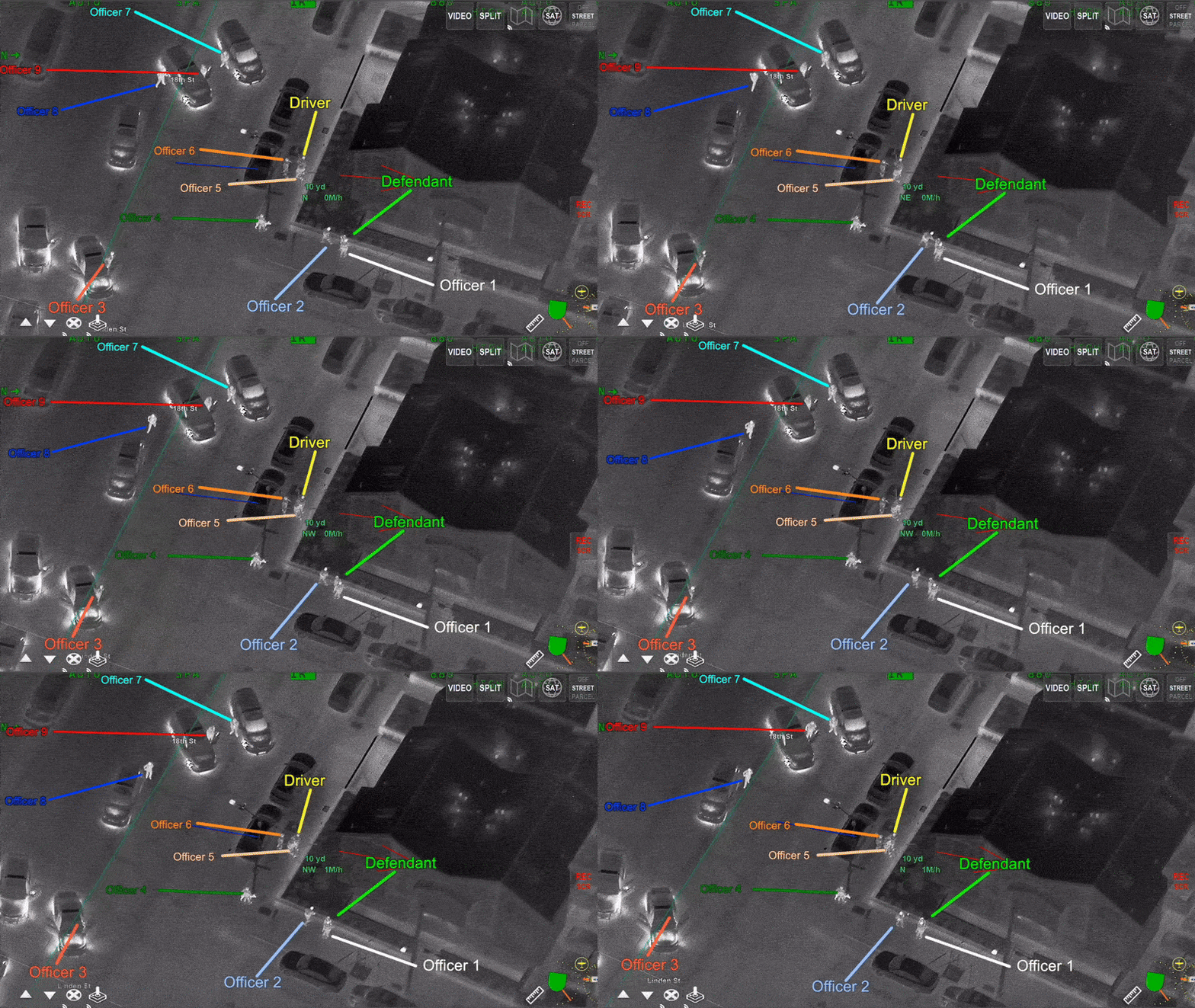
VIDEO DIAGRAMS
Footage can be analyzed to create diagrams of the positions of key people/objects.
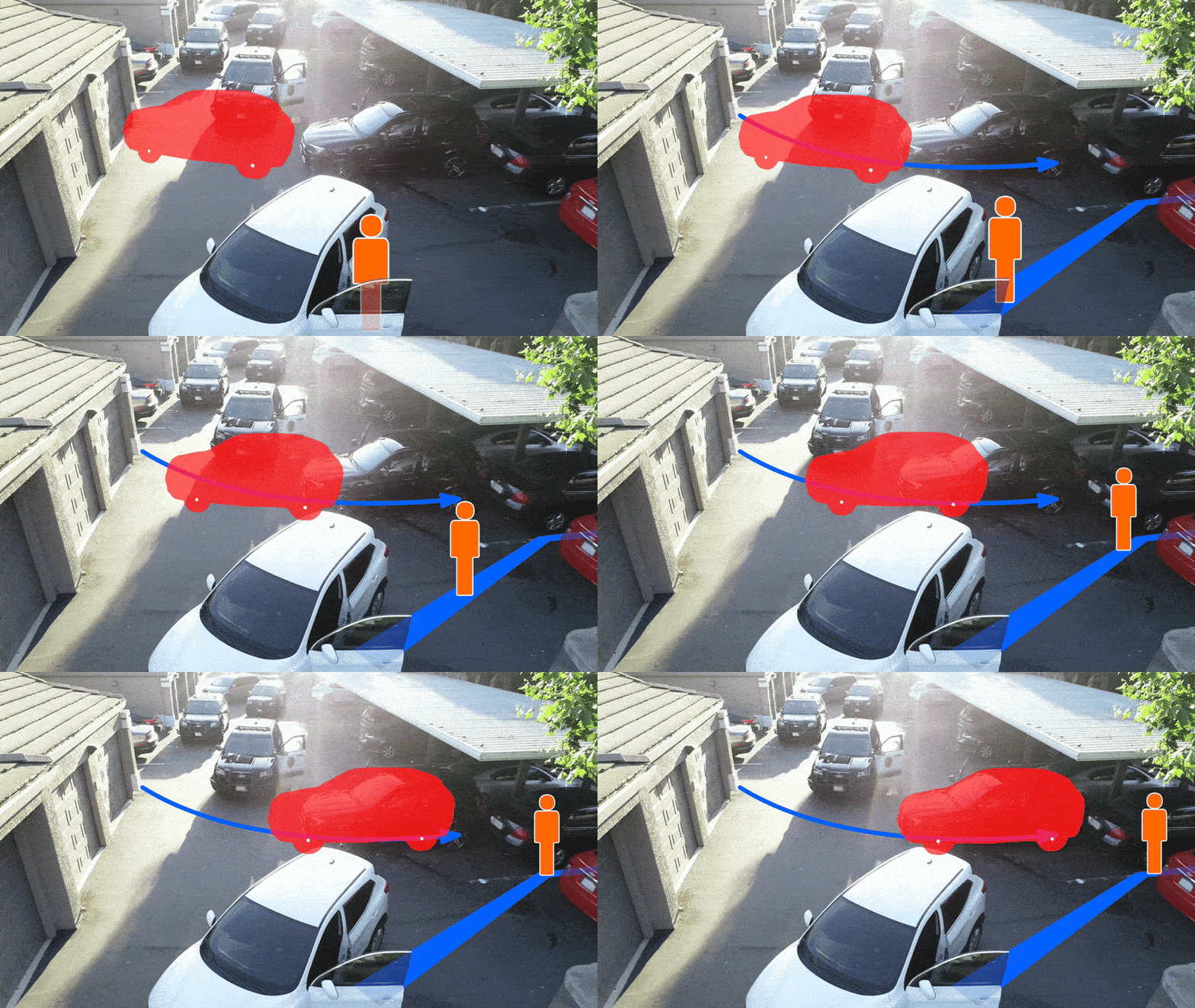
ADJUSTING FOOTAGE TO REVEAL DETAILS
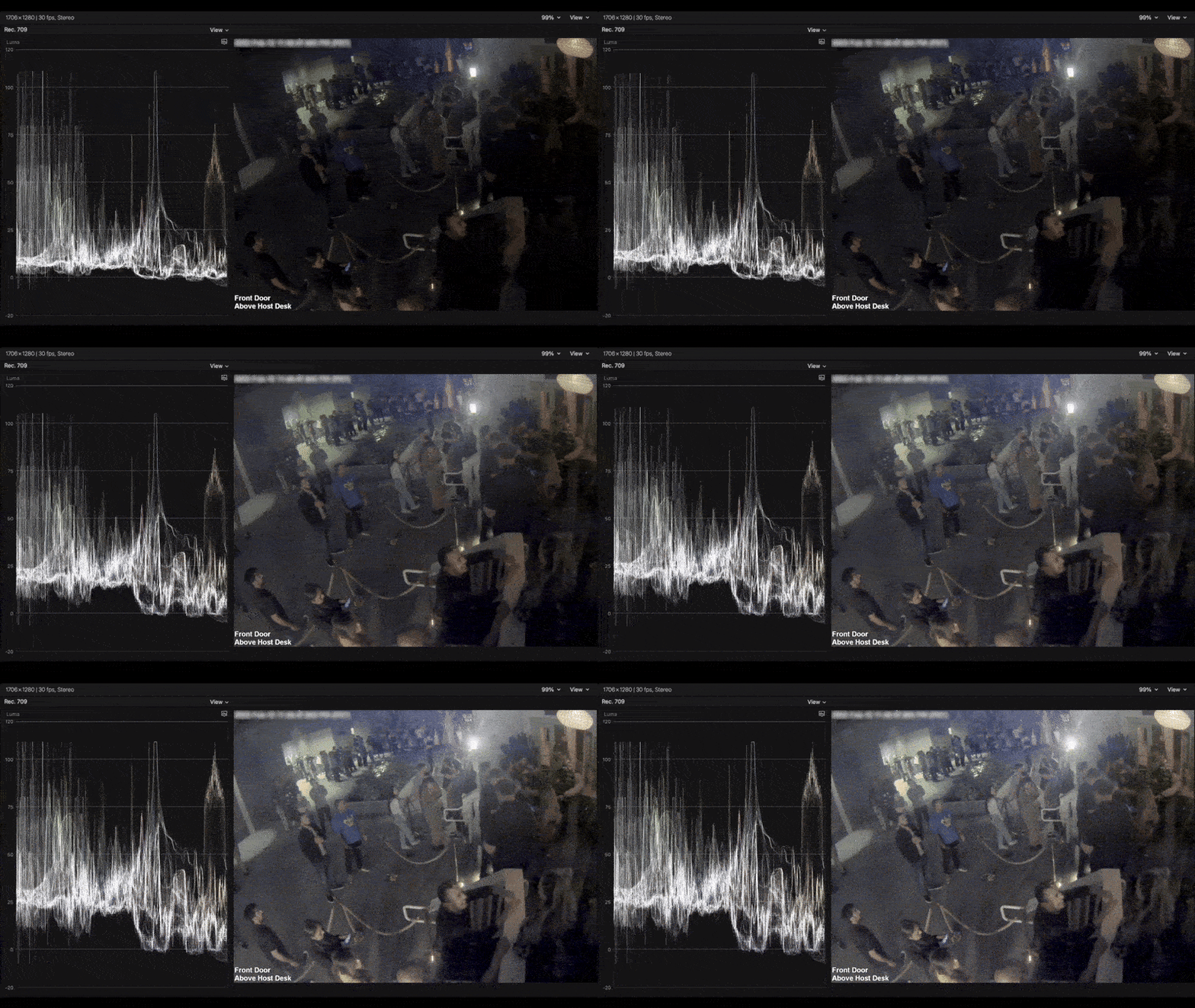
Footage can be brightened to increase clarity, without losing detail. Video color channels (Red/Green/Blue) can also be separated to reveal certain details in some footage.
VIDEO STABILIZATION
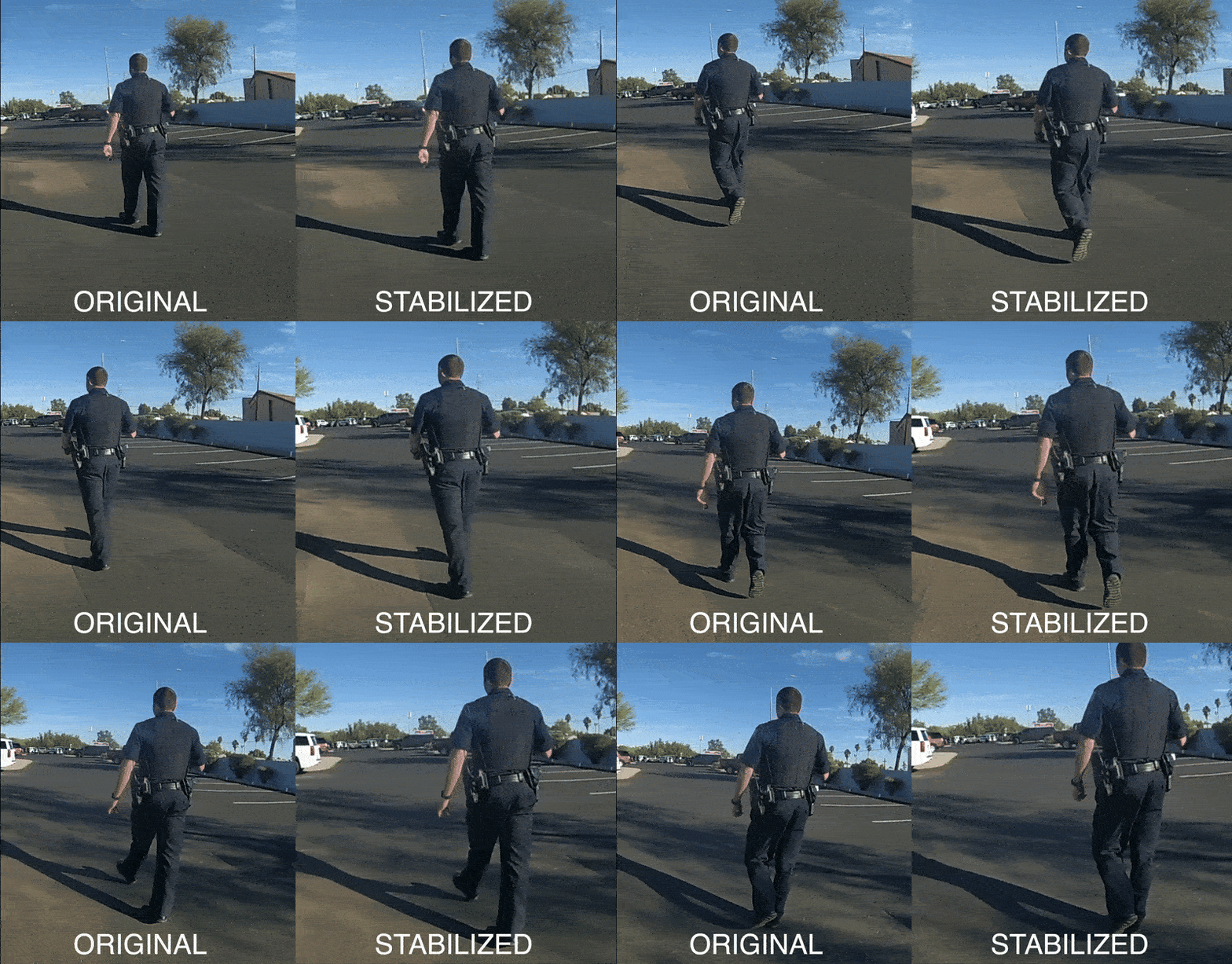
Body-worn cameras and handheld cameras usually capture shaky footage. Stabilization can be automated or done by hand to stabilize based on specific elements or people.
AUDIO FILTERING
Advanced audio filtering can be used to remove ambient sounds such as wind, crowds, traffic, music, etc., in order to separate and clarify voices.

ABOUT
Alexander Helm is a multidisciplinary filmmaker who has been editing professionally for over 15 years. His work includes the case Zumwalt v. Riverside County, which was featured in The New York Times. Every screenshot and video example on this page is from a real case, although identifying information has been removed. The audio example is from a documentary project.
Helm's work in advertising and film has won dozens of awards and has been trusted by major brands worldwide, including Coca-Cola, Spotify, and Microsoft.